
Dr. Raghvendra Jaiswal Orthopedic Surgeon Kanpur

Running with Knee Pain? An Orthopedic Doctor in Kanpur Explains Why You Shouldn’t
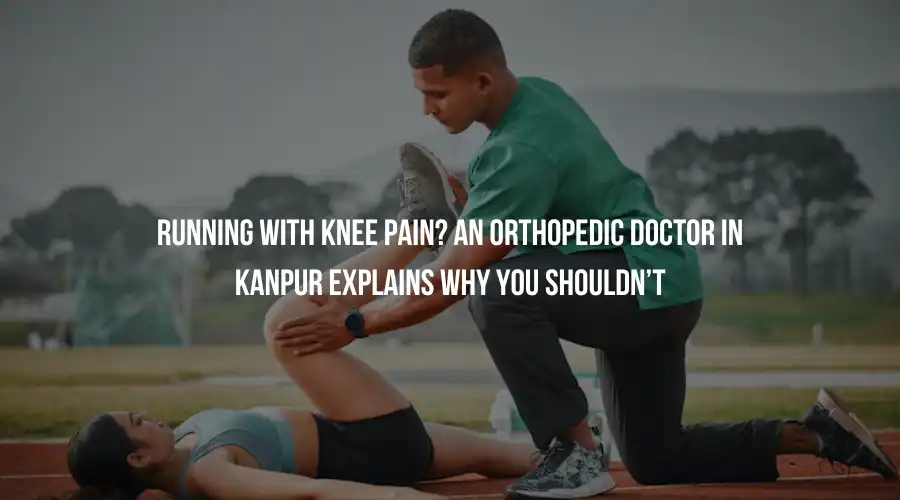
For many people, running is more than just a fitness routine—it’s a way of life. Whether you’re training for a marathon or simply enjoy your morning jog, the rhythm of running provides both mental and physical rewards. But what happens when your knee starts to ache? Is it right to push yourself through the pain? At Safejoint, our expert orthopedic doctor in Kanpur warns that ignoring knee pain can have long-term consequences.
In this blog, we explore why running with knee pain is not advisable, what it might indicate, and how the best orthopedic doctor in Kanpur can help you recover safely and return stronger.
The Truth About Knee Pain While Running
Knee pain during or after running is alarmingly common. Known as “runner’s knee” (patellofemoral pain syndrome), this condition often arises from overuse, misalignment, improper footwear, or muscle imbalances. But pain can also stem from more serious issues like:
- Ligament injuries (e.g., ACL, MCL tears)
- Meniscus tears
- Tendonitis
- Osteoarthritis
- Patellar tracking disorder
Ignoring the cause behind the pain, constant knee pain should never be ignored. According to a seasoned orthopedic doctor, running through the pain might worsen the underlying condition and increase the risk of long-term joint damage.
Why You Shouldn’t Run with Knee Pain
Here are the top reasons our orthopedic doctor in Kanpur advises against running with knee pain:
You Could Make the Injury Worse
Pain is your body’s way of signaling that something’s wrong. Ignoring that signal can escalate a minor strain into a major injury. Small cartilage damage, for example, can turn into a full tear or lead to early-onset arthritis if left unchecked.
You’ll Alter Your Gait—Causing More Problems
When you run with pain, your body naturally tries to compensate. This often leads to poor biomechanics and altered gait patterns, which can affect your hips, back, or opposite leg, creating a ripple effect of injuries.
Healing Takes Longer
The longer you run with knee pain, the more inflammation and damage occur. As a result, your recovery period increases, which may sideline you for weeks or even months—something a dedicated runner wants to avoid.
You Might Develop Chronic Issues
Temporary pain can turn into chronic knee conditions if not treated properly. Long-standing injuries are more difficult to manage and may require invasive procedures or surgery, which could have been prevented with early intervention.
What Causes Knee Pain in Runners?
The best orthopedic doctor in Kanpur will tell you that knee pain is rarely due to a single factor. It’s usually a combination of:
- Overuse: Excessive mileage without adequate rest leads to stress on the joint.
- Weak muscles: Especially weak glutes, hamstrings, or quadriceps.
- Poor flexibility: Tight muscles affect your range of motion and increase strain.
- Inadequate footwear: Shoes that don’t support your arch or gait can trigger knee stress.
- Improper running technique: A poor running form can place undue pressure on the knee joint.
How an Orthopedic Doctor Can Help
At Safejoint, our expert orthopedic doctor in Kanpur takes a comprehensive approach to diagnose and treat knee pain. Here’s how we help:
Detailed Assessment
We begin with a thorough physical examination and may recommend imaging tests like X-rays, MRIs, or CT scans to determine the root cause of your knee pain.
Customized Treatment Plans
Treatment can vary depending on the diagnosis but often includes:
- Rest and activity modification
- Physiotherapy
- Bracing or orthotic support
- Anti-inflammatory medications
- Injections (PRP, corticosteroids)
- Surgical intervention (in severe cases)
Rehabilitation Guidance
Our rehabilitation programs are designed to strengthen surrounding muscles, improve flexibility, and restore joint function, so you can return to running safely.
When Should You See an Orthopedic Doctor?
You should get in touch with your orthopedic doctor in Kanpur if you have:
- Pain lasting more than a few days
- Swelling or stiffness around the knee
- Clicking or popping sounds
- Limited range of motion
- Instability or difficulty bearing weight
These symptoms may show a more serious underlying issue that requires medical attention.
Preventing Knee Pain While Running
Prevention is always better than a cure. Here are tips from the best orthopedic doctor in Kanpur to help you avoid knee pain:
- Warm up properly before each run.
- Strengthen your leg muscles and core through cross-training.
- Stretch regularly, especially the hamstrings, calves, and quads.
- Use proper footwear designed for your gait and foot shape.
- Avoid sudden increases in mileage or intensity.
- Listen to your body—if you do not feel good, take a break.
Safejoint: Your Trusted Orthopedic Partner in Kanpur
At Safejoint, we’re dedicated to providing advanced, evidence-based orthopedic care. We just don’t want to treat the symptoms, but to understand the root cause and guide you toward a pain-free life.
Led by the best orthopedic doctor in Kanpur, our team brings years of experience in managing sports injuries, joint disorders, and chronic conditions. We believe in educating our patients, offering compassionate care, and ensuring optimal outcomes.
Knee health is important whether you’re an experienced marathoner or just a newbie. Don’t let pain slow you down—let us help you get back on track safely.
Conclusion
Running is an excellent way to stay fit, but it should never come at the cost of your joint health. If you’re experiencing knee pain, don’t ignore it. Consult an experienced orthopedic doctor in Kanpur to get the right diagnosis and treatment. Continuing to run through pain can lead to more serious damage and longer recovery times.
At Safejoint, we’re here to help you heal smartly and run stronger. Because your knees carry you through life—take care of them.
Post tags :
Share now :