
Dr. Raghvendra Jaiswal Orthopedic Surgeon Kanpur

How to Prevent Hip Dislocation After Hip Replacement Surgery
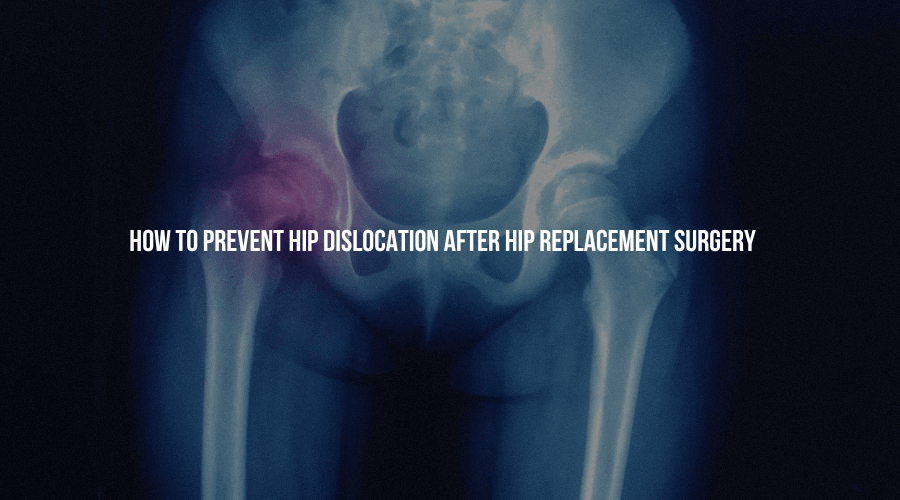
Hip replacement surgery is a highly effective procedure that helps restore mobility and alleviate pain in individuals suffering from severe hip joint issues. However, one of the most concerning risks post-surgery is hip dislocation, which occurs when the ball of the new hip joint slips out of its socket. While advancements in surgical techniques have reduced the chances of dislocation, patients must take precautionary measures to ensure a smooth and safe recovery.
If you have recently undergone a hip replacement or are considering the procedure, this guide by Safejoint will help you understand how to prevent hip dislocation and ensure a successful recovery.
Understanding Hip Dislocation After Hip Replacement
Hip dislocation after a total hip replacement occurs when the artificial ball-and-socket joint becomes misaligned due to certain movements or external forces. This condition can lead to severe pain, restricted mobility, and the need for medical intervention.
Why Does Hip Dislocation Happen?
Hip dislocation post-surgery can occur due to:
- Weakness in the surrounding muscles and ligaments
- Improper movement or excessive bending
- Sitting in incorrect positions
- Accidental falls or sudden twisting motions
- Choosing a surgical approach that may increase the risk of dislocation
Understanding these causes is the first step in preventing hip dislocation and ensuring a stable, long-lasting joint replacement
Tips to Prevent Hip Dislocation After Hip Replacement Surgery
Follow Your Orthopaedic Surgeons Instructions
The most crucial step to prevent dislocation is strictly following your hip replacement surgeon’s post-operative care guidelines. Each patient’s recovery journey is different, and your doctor will provide personalized recommendations based on the type of surgery you have undergone.
Avoid High-Risk Movements
Certain movements and positions can put excessive strain on your new hip joint, increasing the risk of dislocation. Here are some precautions that you should keep in mind:
- Avoid bending your hip more than 90 degrees – This means avoiding deep sitting positions or bending too much at the waist.
- Do not cross your legs – Crossing your legs puts stress on the hip joint, which can cause instability.
- Avoid twisting your hip or rotating your foot inward – Sudden twisting movements can lead to dislocation.
Use Assistive Devices During Recovery
Your orthopedic doctor may recommend assistive devices such as:
- A raised toilet seat to minimize excessive hip bending
- A grabber tool to pick up objects without putting stress on your back
- Cushioned chairs with armrests to provide additional support
- A walker or crutches to reduce weight-bearing stress on the hip
Using these devices will help you maintain correct posture and minimize strain on your hip joint
Strengthen Hip Muscles with Physical Therapy
A structured rehabilitation program is essential for rebuilding muscle strength around the hip. Your orthopaedic surgeons may recommend a physical therapist to guide you through targeted exercises such as:
- Gluteal squeezes to strengthen the buttock muscles
- Quadriceps sets to support the thigh muscles
- Hip abduction exercises to stabilize the hip joint
- Gentle stretches to maintain flexibility
Performing these exercises regularly can help restore stability and reduce the risk of dislocation
Choose Proper Seating and Sleeping Positions
Your seating and sleeping habits play a significant role in preventing hip dislocation. Keep these points in mind:
- Use firm chairs with armrests – Avoid soft, low chairs that can cause excessive bending.
- Keep knees level with or below your hips – Sit with a straight posture and avoid leaning forward.
- Sleep on your back with a pillow between your legs – If you prefer sleeping on your side, use a pillow to keep your legs separated and prevent excessive rotation.
Maintain a Healthy Weight
Excess body weight puts additional stress on your hip joint, increasing the risk of instability. A balanced diet and regular physical activity can help you maintain an ideal weight, reducing strain on your artificial hip
Be Cautious While Walking
Falls and missteps can lead to hip dislocation, especially in the early stages of recovery. Here’s how to walk safely post-surgery:
- Use a walker or cane until you regain full stability
- Take slow, controlled steps and avoid sudden movements
- Wear non-slip footwear to prevent accidental falls
- Ensure your home is free from obstacles like loose rugs or slippery floors
Avoid High-Impact Activities
While it is important to stay active, high-impact activities can increase the risk of dislocation. Avoid:
- Running or jumping
- High-intensity workouts
- Sports that involve twisting motions (e.g., tennis, basketball)
Instead, opt for low-impact exercises such as swimming, cycling, and walking to keep your hip joint strong without putting excessive stress on it.
Wear Supportive Clothing and Footwear
Wearing the right clothing and footwear can aid in your recovery:
- Avoid tight pants that restrict movement
- Choose supportive shoes with good grip to prevent slips
- Wear compression stockings if advised by your doctor to improve blood circulation
Consider Lifestyle Modifications for Long-Term Joint Health
long-term lifestyle modifications to keep your new joint healthy. Here are some habits to adopt:
- Maintain an active lifestyle with safe exercises
- Avoid sitting or standing in one position for longer period
- Stay hydrated and follow a nutritious diet
- Monitor for any signs of discomfort or instability
Final Thoughts
A successful hip replacement surgery can significantly enhance your quality of life, but it requires careful post-operative care to prevent complications like hip dislocation. By following your hip replacement surgeon’s guidelines, practicing safe movements, strengthening your muscles, and making the necessary lifestyle adjustments, you can enjoy a smooth recovery and long-lasting joint stability.
If you have any concerns about your hip replacement recovery, consult the best orthopedic doctor in Kanpur to receive expert advice and personalized care. Your journey to pain-free mobility starts with the right precautions and a commitment to rehabilitation.
For more expert guidance on hip replacement surgery and post-operative care, Safejoint is here to help. Stay informed, stay active, and protect your new hip joint for a healthier future!
Post tags :
Share now :